

 Shop Now
Summer FavouritesEnjoy the sunniest season with stylist-approved haircare
Shop Now
Summer FavouritesEnjoy the sunniest season with stylist-approved haircare








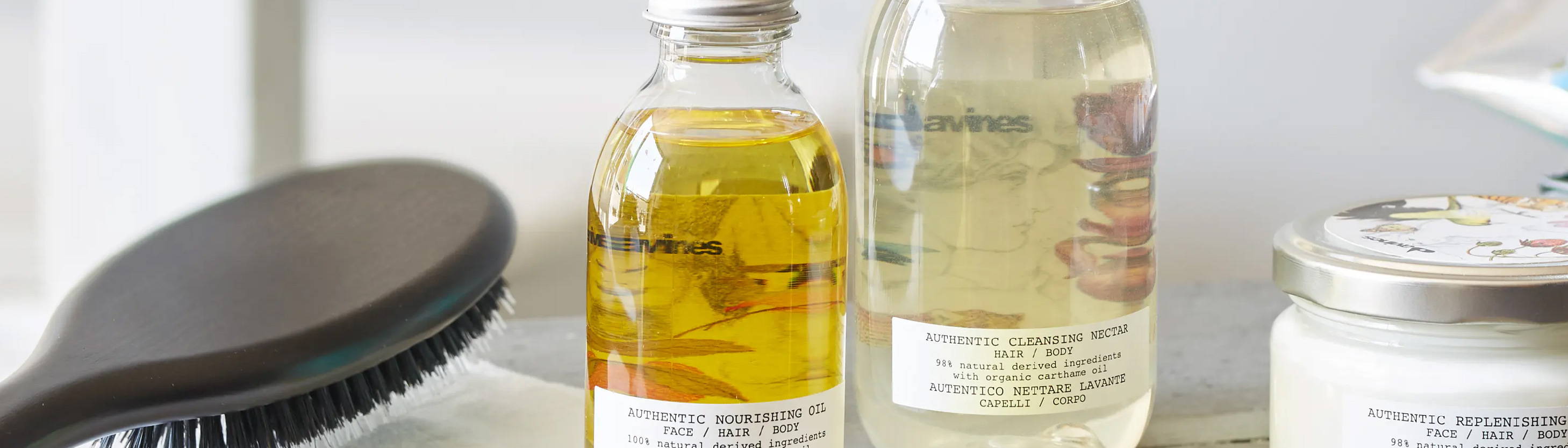
Benefits of Hair Oil and How to Use It
Updated on June 26, 2026 | 3 min read
Lauren Hannel, Davines Writer
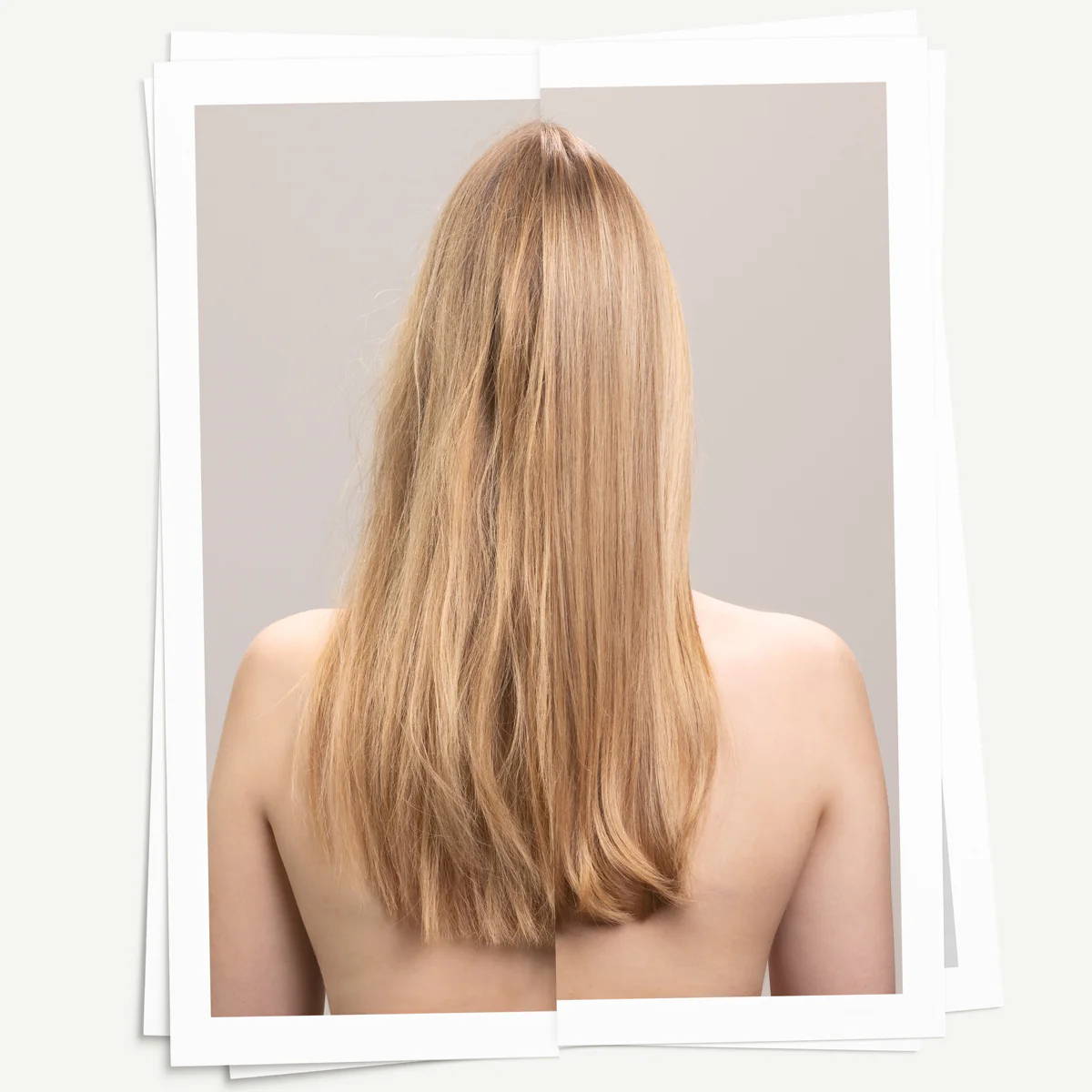
Coconut, argan, jojoba, oh my! Hair oils and hair oiling (the practice of massaging oil into your hair and scalp) are a beauty routine’s secret ingredient for hair that looks as good as it feels. Naturally nourishing, moisturizing, and deeply hydrating, hair oils protect, restore, and strengthen strands, reducing breakage and reinforcing resilience, especially when layered with other hair-loving and styling products.
If haircare aisles leave you overwhelmed, wondering which hair oil is best for your hair, and how you can easily incorporate it into your daily hair routine, we’re here to help. Here’s a roundup of the benefits of oiling your hair, along with the types, tips, and product recs for your hair.
Key Takeaways
Everything You Need to Know About Hair Oils
- Hair oils are loaded with vitamins and nutrients that support and strengthen hair for a healthier-looking appearance.
- Hail oiling is a practice that can help restore shine, softness, and strength to strands.
- Incorporating hair oiling into your hair care routine is easy and requires only a few products to see results.
In This Article
What Is Hair Oil?
What Is Hair Oiling?
Benefits of Hair Oiling
Types of Hair Oils
Additional Ways to Upgrade Your Hair Oil
A Step-By-Step Guide to Oiling Your Hair
FAQs
What Is Hair Oil?
Hair oils are a versatile product that support overall hair health by protecting and restoring the follicle’s natural structure. As you shampoo, colour, and use heat tools to style your hair, it's normal for repeated damage to strip your hair of its natural oils, leaving each follicle susceptible to dryness, split ends, and frizz.
Hair oils work by creating a protective barrier that shields strands from said breakage, restoring and fortifying your hair's natural ability to lock in moisture, boost shine, tame flyaways, and smooth strands for stronger, healthier-looking hair.
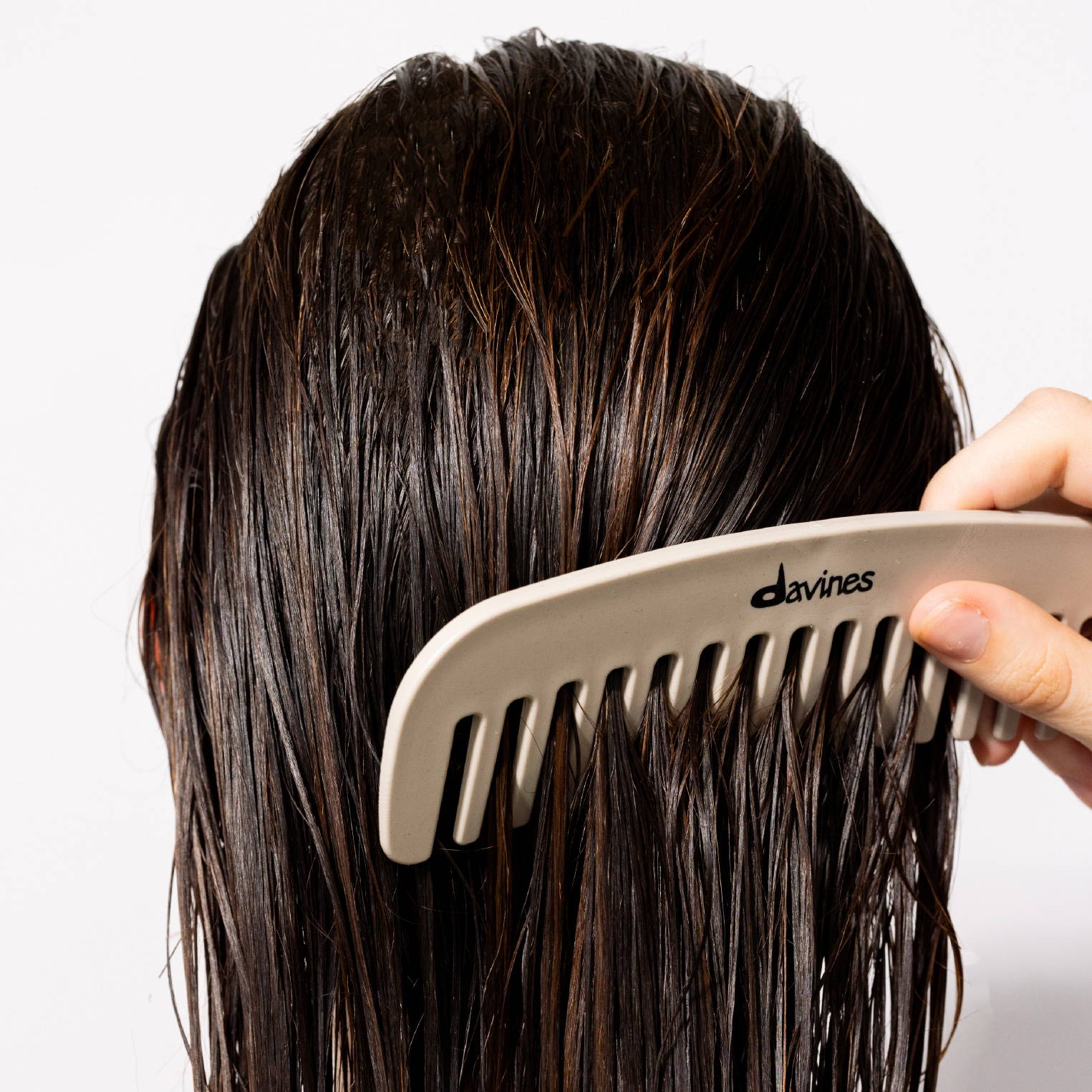
What Is Hair Oiling?
Hair oiling is a practice rooted in ancient tradition that involves massaging natural oils into your scalp and hair. It's a targeted treatment that not only supports scalp health but also hydrates and protects your strands from heat styling and environmental damage. Typically incorporated into a healthy hair care routine, it can be applied for anywhere from a few hours to overnight, depending on your hair’s needs.
Benefits of Hair Oiling
From shine to strength, here are a few pros of adding oil to your hair care routine. Spoiler alert, there are a lot!
- Protects against heat damage: When oil coats the hair shaft, it forms a protective barrier against heat styling and related damage.
- Strengthens, hydrates, and fights frizz: The oil’s protective barrier also nourishes your hair while helping prevent moisture loss. And nothing tops a nice hair oil for taming frizz and keeping your strands looking perfectly smooth. (P.S. If you’re wondering how to get shiny hair, it’s great for that too!)
- Helps with a dry scalp: If you’re dealing with a dry scalp or flaky dandruff, it’s probably a sign that your hair could benefit from an oil treatment. It’s a targeted way to get rich fatty acids right to the source to help nourish and soothe your scalp beyond your daily conditioner.
- Promotes hair growth: Hair oil itself doesn’t magically help grow hair, but the physical practice of massaging the oil into your scalp can help promote blood flow, which is a great way to stimulate follicle growth. Many oils are packed with essential vitamins and nutrients that keep hair healthy and prevent breakage, so you tend to keep more length; it’s a win-win on both fronts.
- Prevents oily hair: If you have noticeably oily hair, you’ve probably been caught in the vicious cycle of “oily scalp, overwash, even oilier scalp, repeat” at least once. When you wash your hair too frequently, you’re stripping your scalp of the essential oils it needs to maintain an optimal moisture balance, leading it to produce more oil to compensate. Oiling your hair and scalp is a great way to help restore default moisture settings. Be sure to check out our blog post to get more tips on how to get rid of oily hair.
Types of Hair Oils
Now that we have you convinced of the benefits of using oil, let’s chat about the different oils you can choose from, from olive oil to jojoba and more.
Blended Hair Oil
Multi-benefit styling oils are great because the fewer steps in a beauty routine, the better. Powered by deeply nourishing Roucou oil and a blend of other beneficial ingredients, OI Oil anti frizz oil for all hair types adds shine and softness while detangling and fighting frizz. Your hair is left protected and nourished, with visible hydration, shine, and softness. What’s not to love?
Coconut Oil
If you really want to streamline your skin care, hair care, and even cooking routines, make sure you have coconut oil in stock at all times! Packed with vitamins and fatty acids, coconut oil has some seriously impressive benefits for your hair: It penetrates the hair cuticle while nourishing the scalp and gently removing buildup to support healthier, longer, and stronger-looking hair.
Argan Oil
Rich in minerals, vitamins, and antioxidants, argan oil is another favourite of the beauty community for making your hair more elastic, shiny, and healthy, while also preventing damage or split ends. The vitamin E in argan oil is the key to fixing breakage from everyday pollution, free radicals, and damage from styling or chemical treatments.
Almond Oil
Almond oil is an emollient that fills gaps in your hair at the cellular level, meaning it can make your hair look noticeably healthier and smoother to the touch. And like other oils we’ve mentioned, the protein, fatty acids, and vitamin E in almond oil will help transform dryness or damage. Try a DIY almond oil hair mask to give your hair an amazing boost of extra nourishment, and get ready to see visibly healthier hair.
Olive Oil
Olive oil contains high amounts of emollient fatty acids that soften and smooth your hair. Olive oil also acts as a natural heat protectant for your hair, while nourishing damaged strands to leave you with more vibrant-looking strands.
Grapeseed Oil
Grapeseed oil is an affordable way to nourish your hair. It’s rich in linoleic acid, which is essential to keep our major organs functioning properly. Not getting enough linoleic acid can lead to hair loss, dry skin, and dry hair, so using this can help you get shinier, more vibrant hair (alongside the other naturally conditioning properties of grapeseed oil).
Jojoba Oil
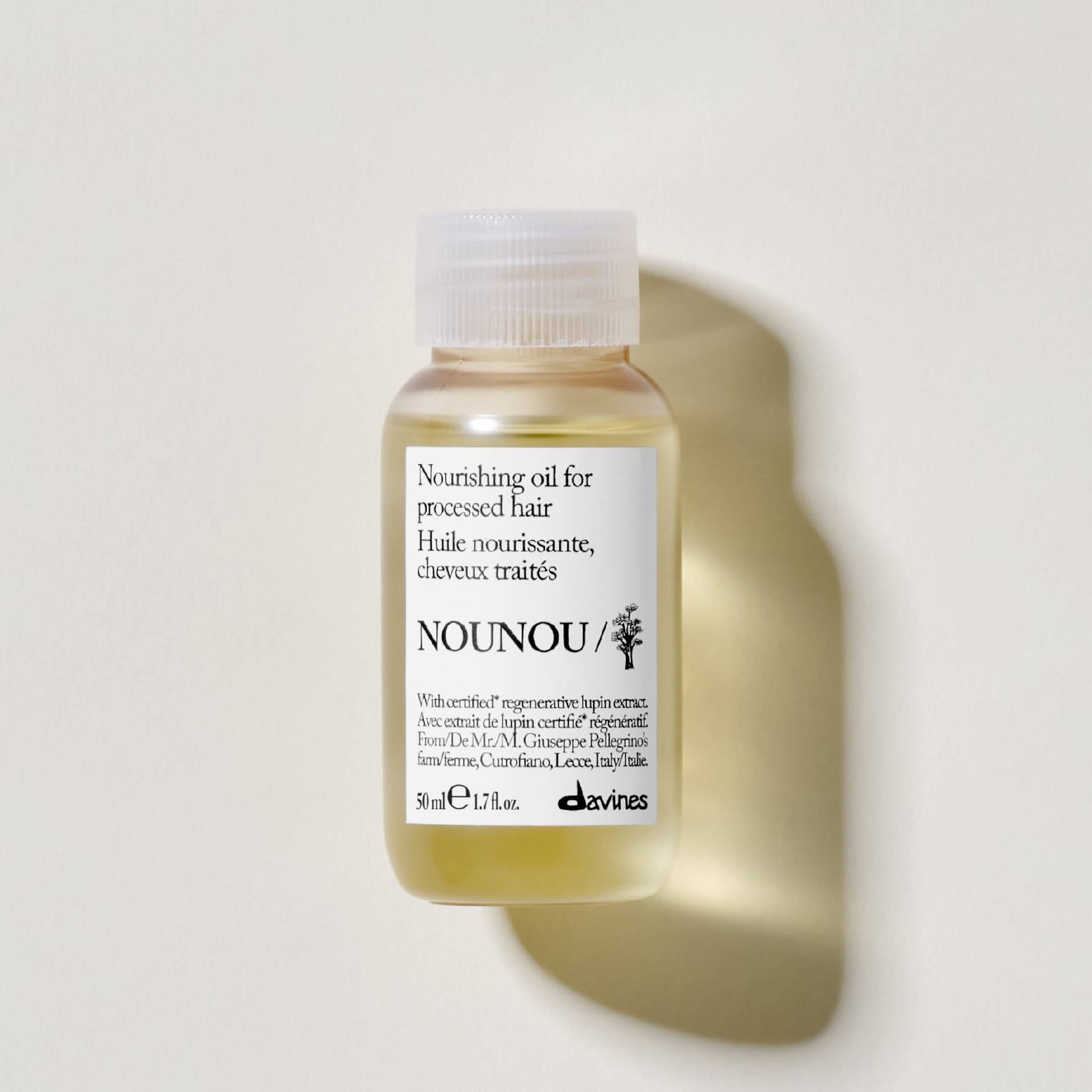
Lightweight and nourishing, jojoba oil mirrors your scalp’s natural sebum, helping deliver hydration without feeling heavy. Davines Authentic Formulas Nourishing Oil not only contains jojoba oil, but also features other naturally-derived oils such as eucalyptus, sunflower seed, bergamot fruit, and bitter orange, which are a match made in heaven for damaged and dehydrated hair. The real appeal? You can use this oil to nourish and hydrate your hair and skin.
Castor Oil
Castor oil is another great choice to provide essential proteins and nutrients to your hair follicles, while also helping combat inflammation or irritation on your scalp. By coating your hair in castor oil, you can help create glossier, shinier, and healthier-looking hair.
Additional Ways to Upgrade Your Hair Oil
Adding an essential oil to a “carrier” oil, such as olive oil, is a nice way to upgrade your oil treatment.
- Lavender oil not only smells amazing, but its antimicrobial and antibacterial properties have also been known to help speed up hair growth.
- Peppermint oil’s signature tingling feeling boosts blood circulation to your scalp.
- Rosemary oil has been shown to help with hair thickness and growth in general.
Just mix a few drops of the essential oil of your choice into the carrier oil, massage it into your scalp, and enjoy a few minutes of indulgent self-care.
A Step-By-Step Guide to Oiling Your Hair
Ready for healthy-looking, shiny hair? There are different ways to apply oil to your hair, but turning it into a relaxing, enjoyable personal care ritual has to be one of our favourites. And yes, this means a scalp massage!
Prep tip: If the oil you’re using is a solid form at room temperature (like coconut oil), either warm it in your hands or microwave it just until it’s melted before applying.
- Start massaging the oil into your scalp using your fingertips, gently moving the oil down the hair shaft to your ends. The amount of oil you need depends on the length and thickness of your hair: Start with a palmful, and add more if needed to ensure your hair is evenly coated.
- Pull your hair up into a loose bun and let it sit for at least a few hours, or use it as an overnight treatment for deeper conditioning. Since steam can help improve oil absorption, you can also try wrapping your hair in a damp, hot towel for a mini hair steam session.
- When you’re ready to rinse the oil out of your hair, take note that it might take a little more clarifying than usual to remove all traces from your strands. Just use shampoo and conditioner to ensure you won’t lose any of the moisture and nourishment that the oil treatment has given you.
FAQs
How Often Should I Oil My Hair?
Oiling your hair once or twice weekly can support hair health and vibrancy. If you have oilier hair, adjusting this method to every other week or every 10 days can help avoid buildup.
Does Hair Oil Promote Hair Growth?
Hair oil doesn’t directly make hair grow, but it can help create a protective, strengthening environment that prevents damage and breakage, which can help your hair keep its length.
It’s important to remember that hair oil and hair oiling are part of a healthy hair care routine and should be paired with a gentle smoothing shampoo, a hydrating conditioner, low heat, and additional hair products specific to your needs.
Answer
What’s the Best Hair Oil for Damaged Hair?
Davines Authentic Formulas Nourishing Oil is designed to rejuvenate dehydrated hair, visibly improving hair health for soft, shiny, and silky strands.
What’s the Best Hair Oil for Frizzy Hair?
Olive oil can help smooth the hair cuticle and lock in moisture, making it a popular option for managing frizz and flyaways, especially in thicker or curly hair types.

Ready for a New Look?
Visit your local Davines salon for customized colour, cuts, and care.
You Might Also Like...


by Jaclyn LaBadia, featured contributor
How to Make Coarse Hair Soft and Silky Updated on August 4, 2026 | 3 min read Jaclyn LaBadia, Davines Writer ...
by Jaclyn LaBadia, featured contributor
How to Moisturize Your Hair: Expert Guide to Defeat Dryness When your shiny, hydrated hair has suddenly turned dull, brittle,...
by Jaclyn LaBadia, featured contributor
Curly hair myths and facts: what's true and what's not? Hair can be curly or it can be straight -...
Leave a comment
Comments will be approved before showing up.