

 Shop Now
Fall FavouritesWelcome the new season with stylist-approved haircare
Shop Now
Fall FavouritesWelcome the new season with stylist-approved haircare












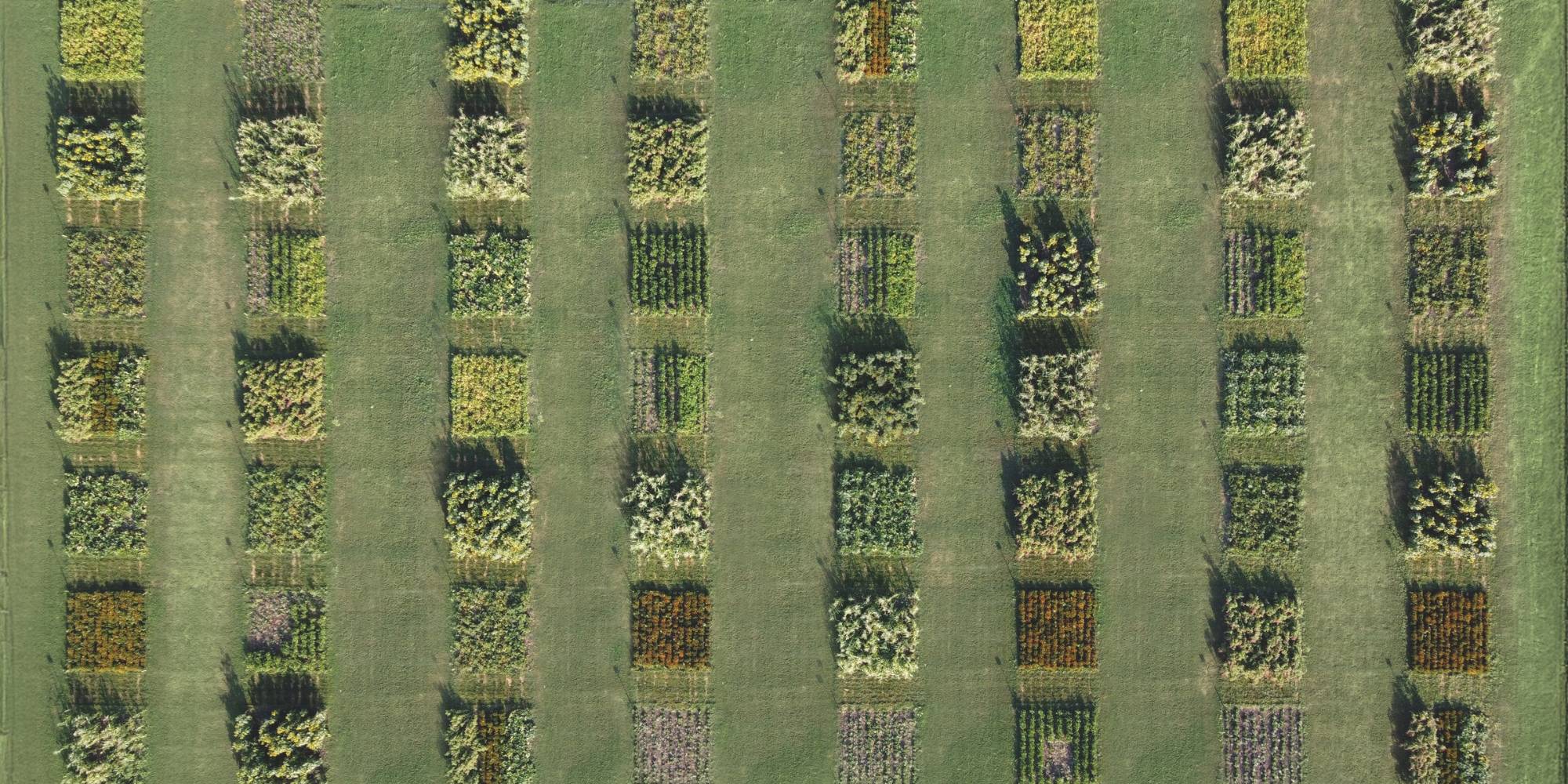
SUSTAINABILITY
What is regenerative agriculture? A deep dive into Regenerative Organic Agriculture principles
Over the past century, industrial agriculture has dramatically increased food production - but at a steep cost for the planet. Soils have been significantly depleted, water tables drained, biodiversity lost, and greenhouse gas emissions amplified. This has affected not only the environment but the wellbeing of human society too.
Regenerative organic agriculture is a way to reverse this damage using farming principles and practices designed to restore the soil ecosystem. Using practices such as crop rotation, minimal soil disturbance and avoiding synthetic pesticides and herbicides, regenerative organic agriculture can help preserve biodiversity, regulate the cycling of water and nutrients, and mitigate climate change by sequestering atmospheric CO2.
This is an important and exciting shift away from a sustainable farming mindset that aims to do less harm, and towards a regenerative mindset that aims to focus on healing the earth and its vital ecosystems.
What is Regenerative Organic Agriculture - and why is it important?
Regenerative organic agriculture is a holistic approach to farming and land management that goes beyond maintaining the health of local ecosystems and actively tries to restore and even enhance them.
Human beings have always lived off the land, using its resources to sustain ourselves just like other creatures. But as our tools and technologies developed, we began to extract more and more for ourselves. Eventually, we started to understand that our actions were damaging the planet, and the sustainability movement grew to try and stop this damage.

Today, we are going beyond sustainability to look at how we can not only protect but reverse the damage that has been done. By proactively choosing regenerative techniques, regenerative organic agriculture aims to:
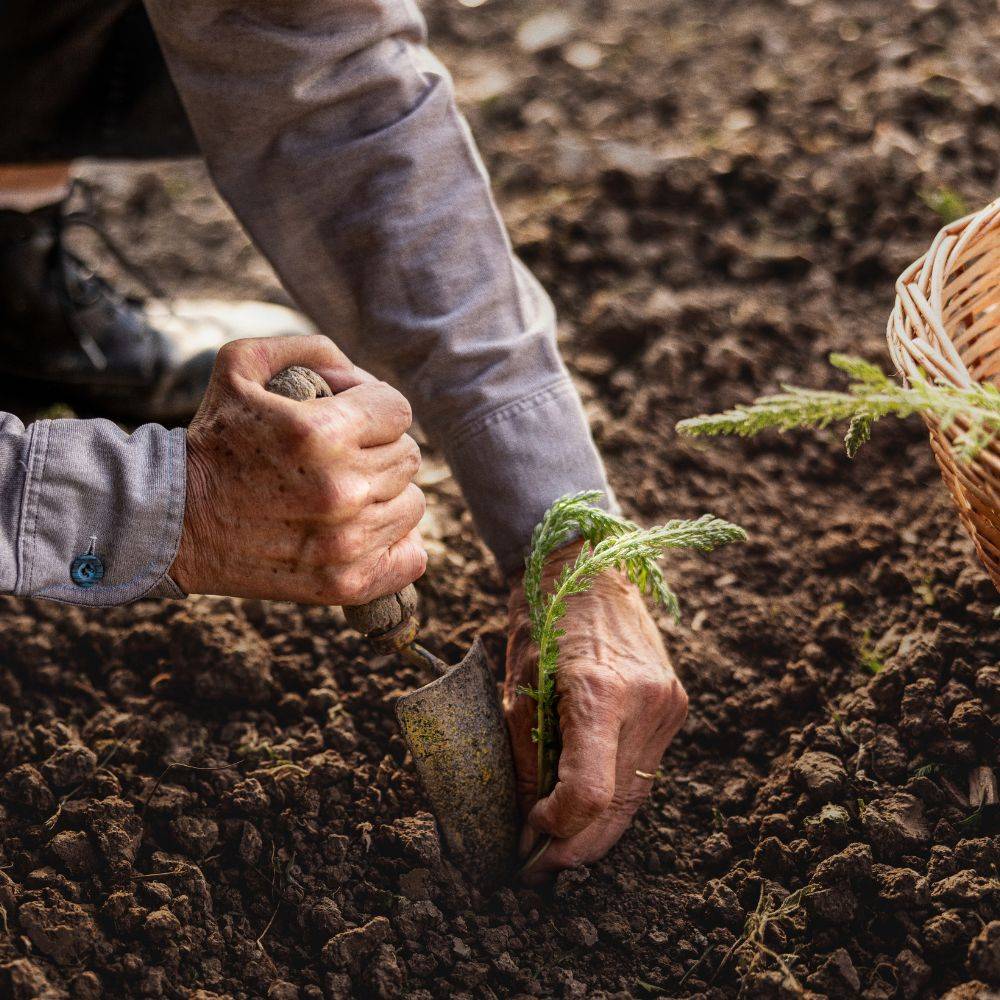
Improve soil health and fertility
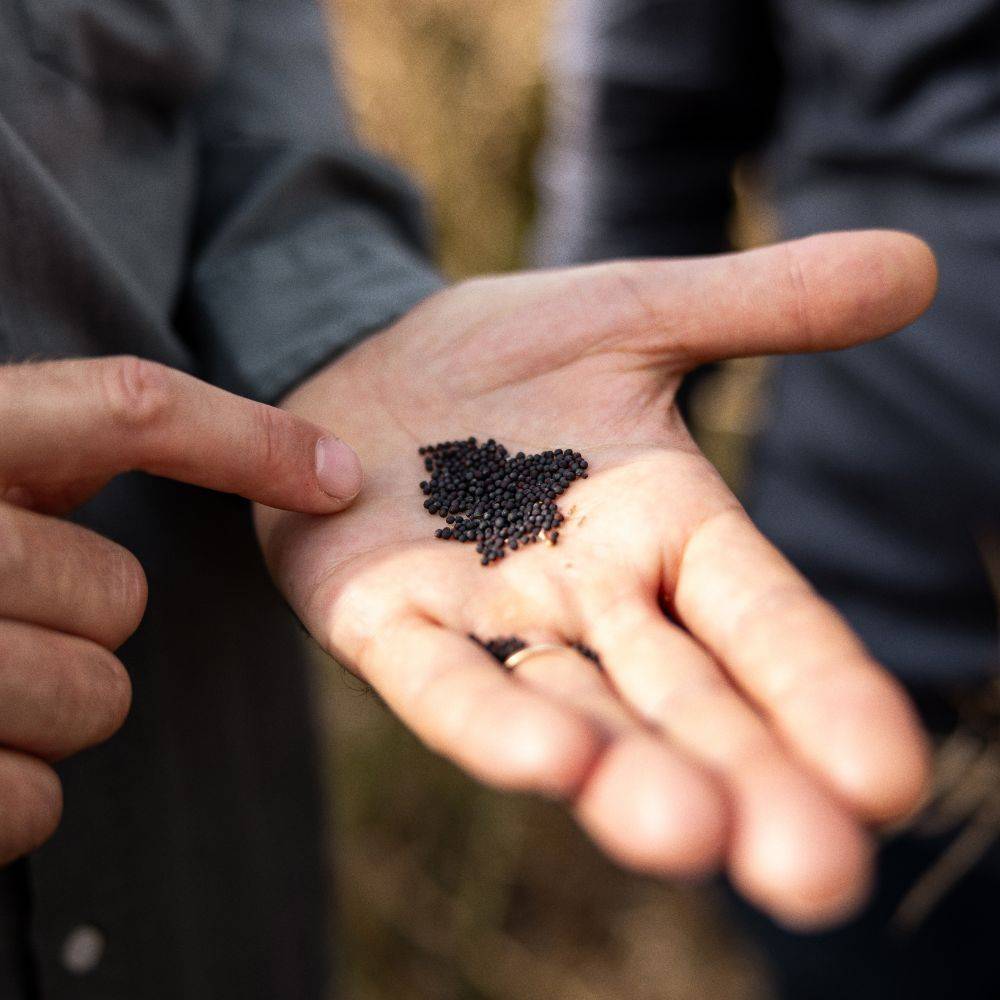
Increase biodiversity above and below the ground
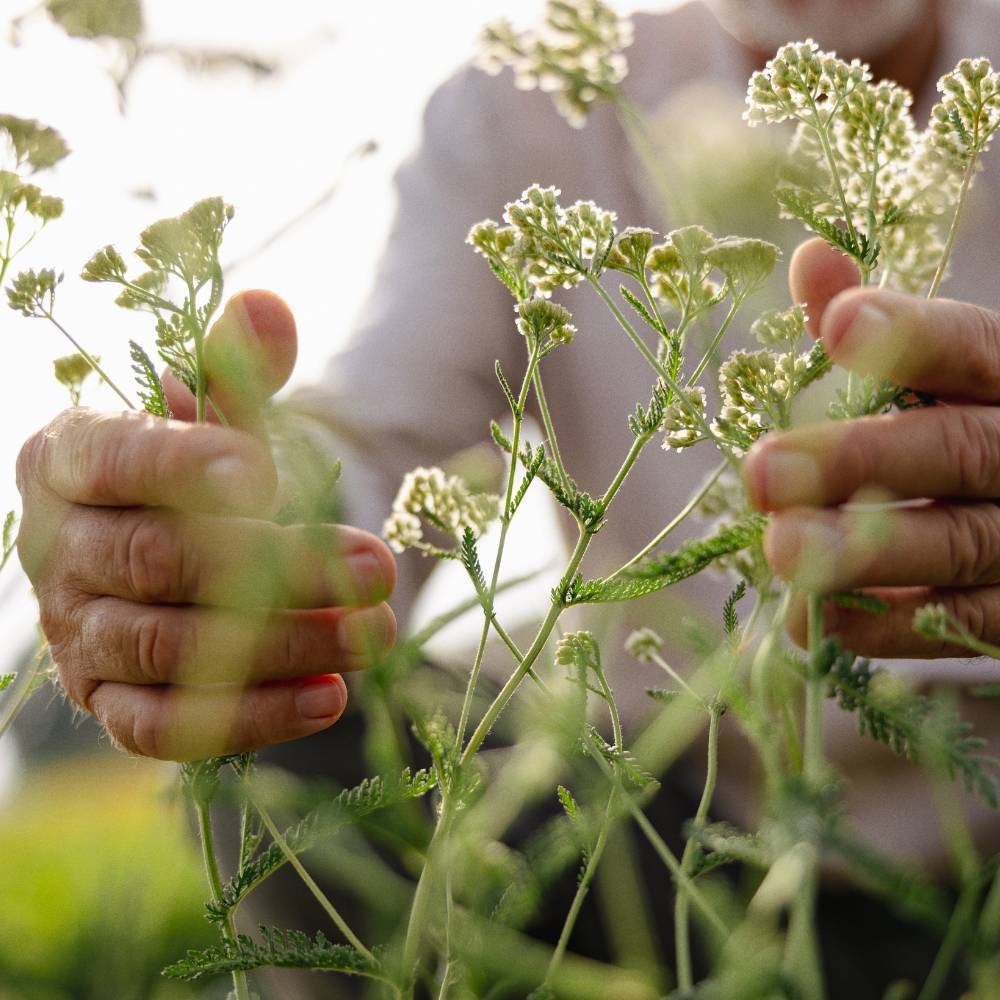
Enhance water cycles and retention
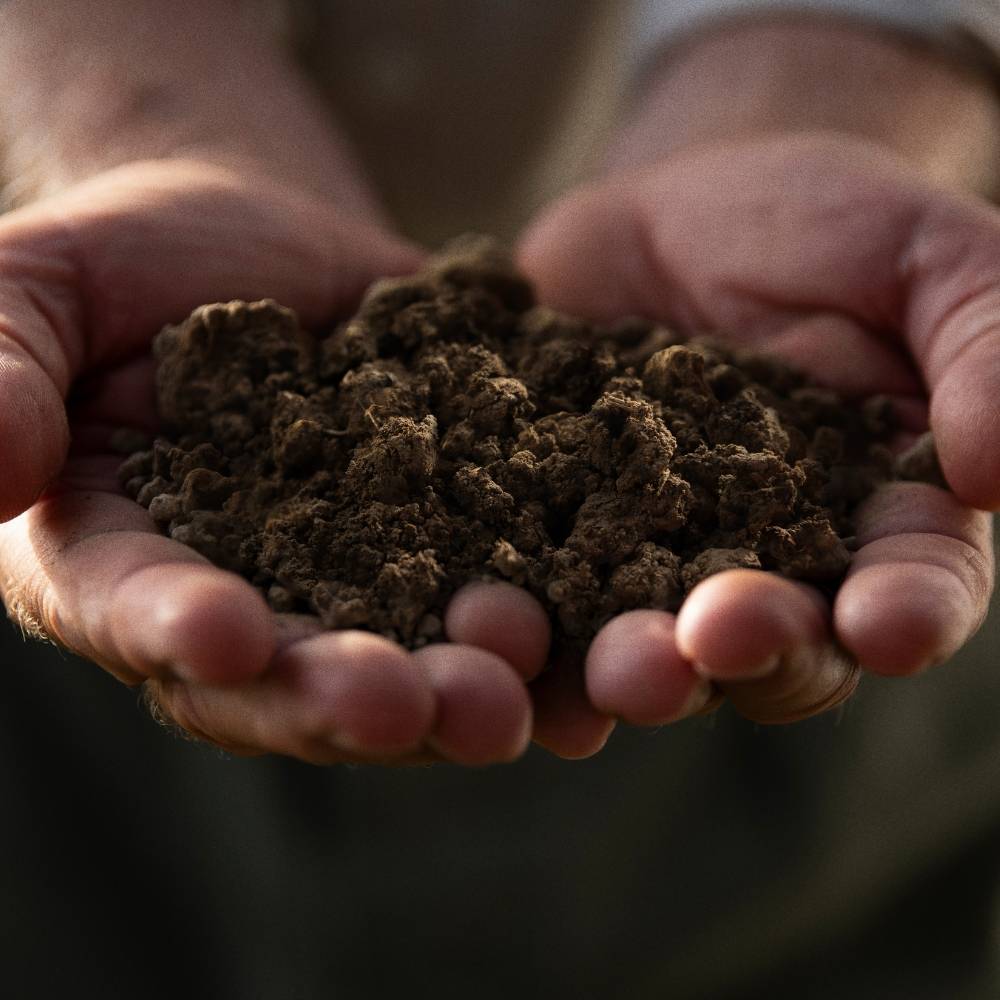
Sequester atmospheric carbon (known as carbon farming)
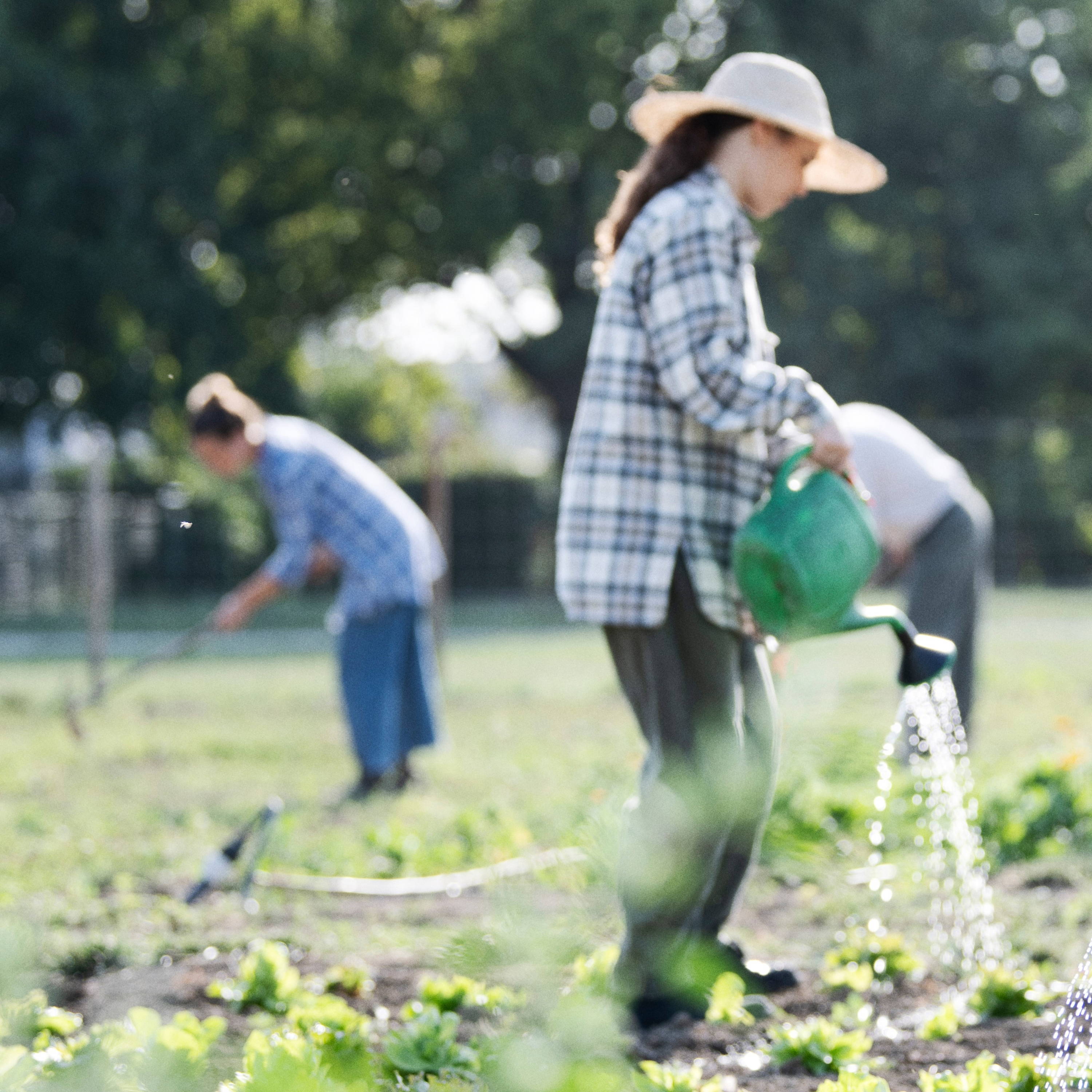
Build resilient ecosystems and communities
The pillars of the Regenerative Organic Alliance
In 2017, the Regenerative Organic Alliance - a group of farmers, business leaders, and experts - created a standard called Regenerative Organic Certified™. The high-bar certification, which applies to food, fibre and personal care ingredients, is built on three key pillars.

Pillar 1: Soil Health
This pillar focuses on building and maintaining soils that are rich in organic matter and microbial life. Principles include:
- Minimizing soil disturbance using low-till or no-till farming to protect the structure of the soil - including networks of important fungus - and reduce erosion.
- Maximizing biodiversity and crop diversity with practices like crop rotation and cover cropping to improve nutrient cycling, keep pests under control and create habitats.
- Keeping soil covered by mulching and ensuring that there are always living roots in the soil, which helps retain moisture, regulate temperature, and prevent erosion.
- Minimizing synthetic inputs, moving away from synthetic fertilizers, pesticides, and GMOs (genetically modified organisms) and relying on natural processes instead.

Pillar 2: Animal Welfare
This pillar is about raising animals in conditions that allow them to behave as naturally as possible. Principles include:
- Pasture-based management that prioritizes rotational grazing rather than keeping animals in one place for too long, and provides them with natural environments.
- No Concentrated Animal Feeding Operations (CAFOs), an industrial practice where animals are contained in cramped conditions for long periods of time.
- Regenerative Organic Agriculture’s ‘Five Freedoms of Animal Welfare’:
- Freedom from hunger and thirst
- Freedom from discomfort
- Freedom from pain, injury or disease
- Freedom to express normal behavior
- Freedom from fear or distress
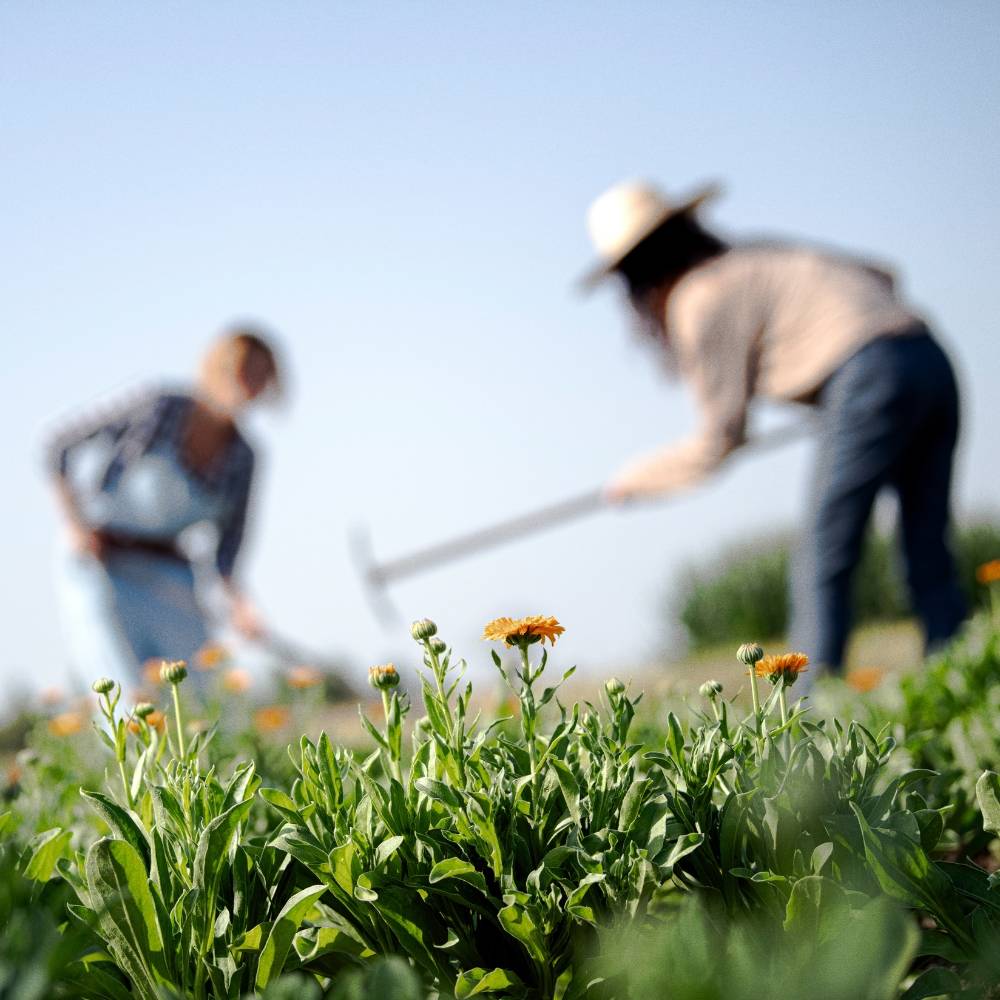
Pillar 3: Social Fairness
This pillar focuses on the needs of farmers, farmworkers and local communities. Principles include:
- Fair wages and working conditions such as equitable treatment and safe environments for farmworkers.
- Democratic organizations that provide support for farmer co-ops and worker representation.
- Transparency and accountability including fair pricing and long-term contracts for farmers.
What are the benefits of Regenerative Organic Agriculture?
There are numerous benefits to using regenerative organic agriculture practices, which have positive impacts on the environment, the economy and at a social level.
How Davines is supporting Regenerative Organic Agriculture
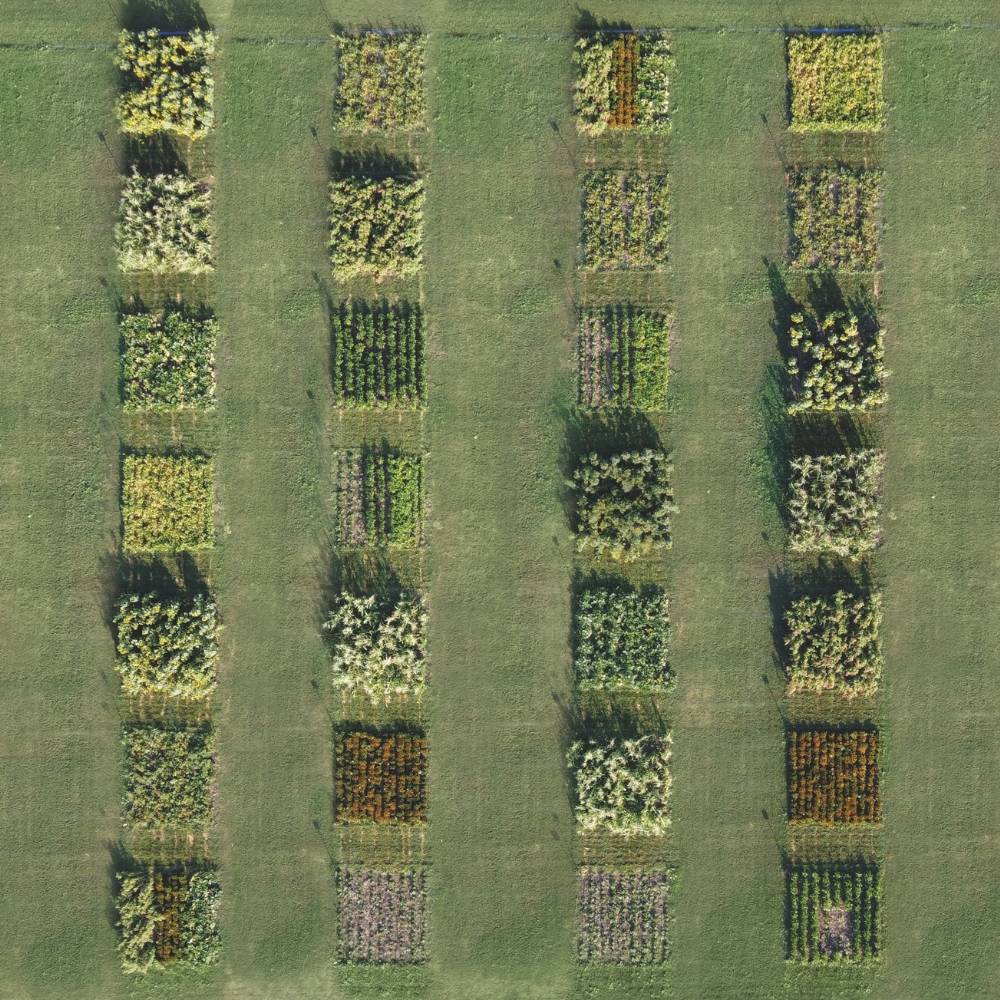
Our journey with regenerative organic agriculture started with the foundation of our European Regenerative Organic Center, in collaboration with the Rodale Institute.

EROC is the first research, education and dissemination center in Italy and Europe in the field of regenerative organic agriculture led by a cosmetics company. Its focus is on expanding the supply of regenerative organic ingredients, training farmers, and pushing the frontiers of sustainability through research.
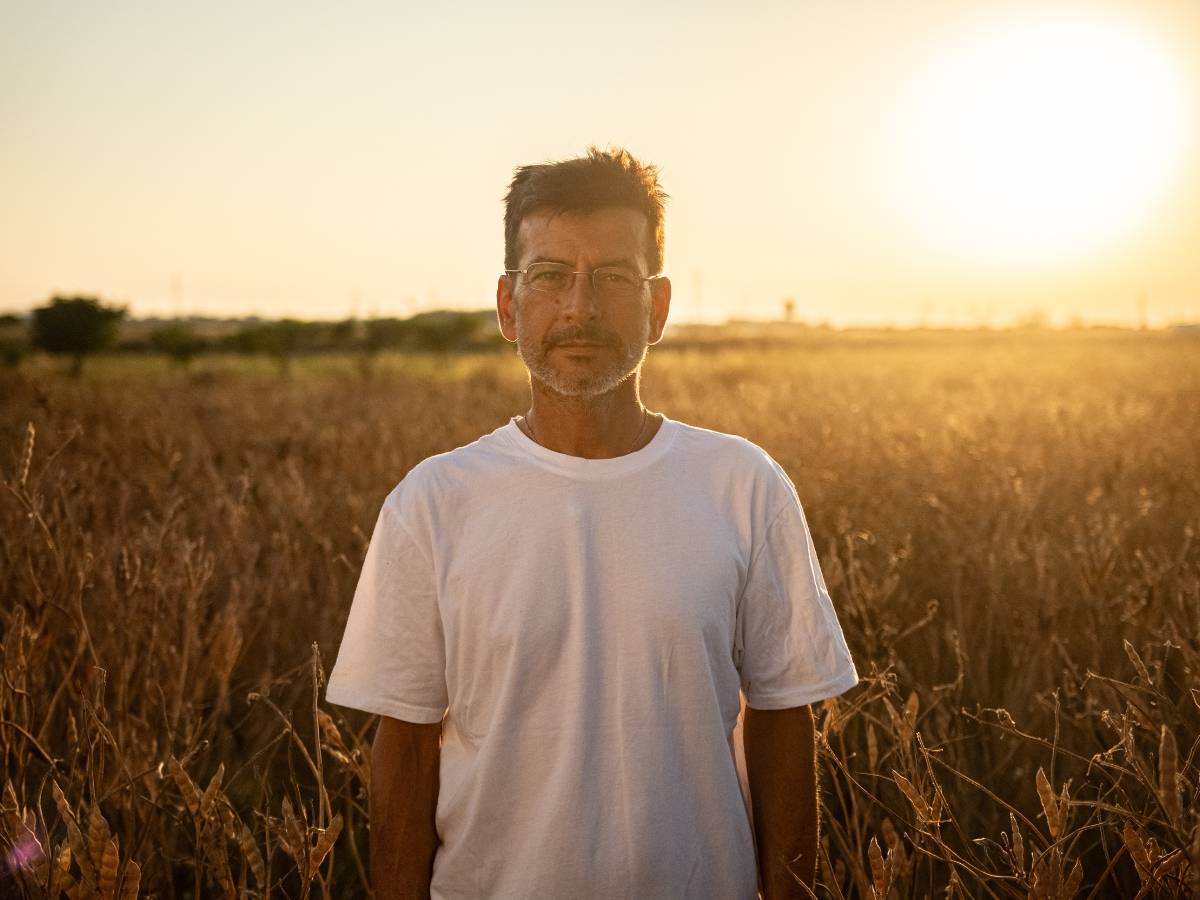
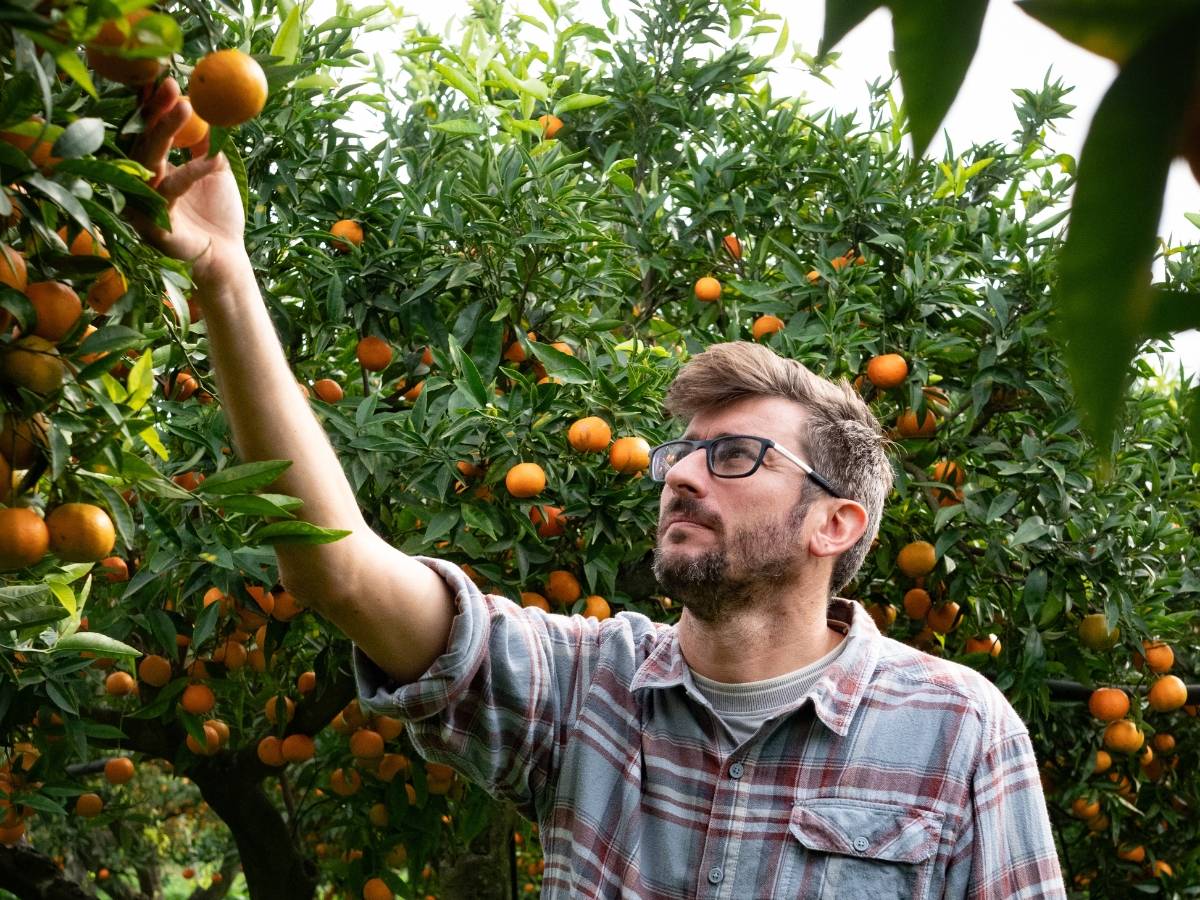
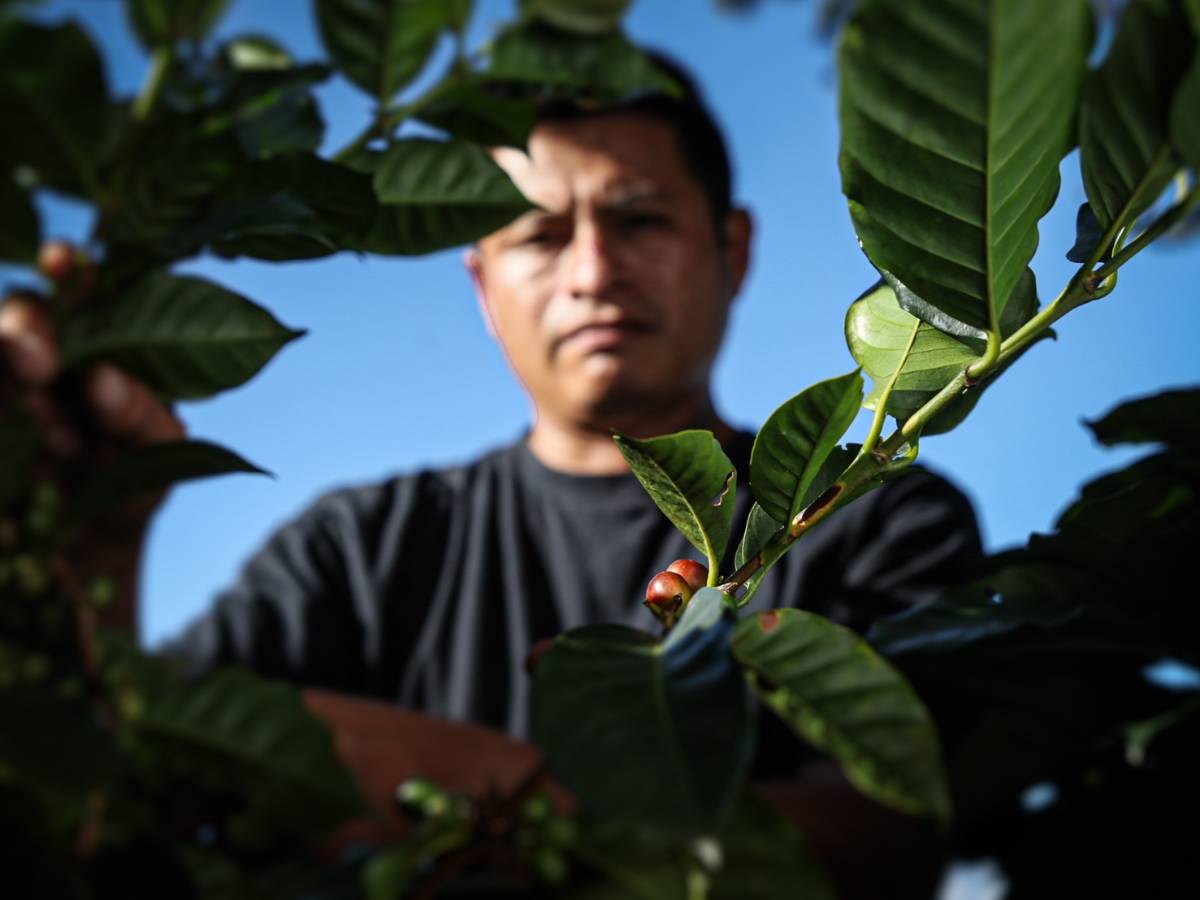
The active ingredients in the evolved Essential Haircare family are sourced from Regenerative Organic Certified™ farms worldwide, delivering both exceptional results and better care for our planet. As before, the label includes details of the farmers we work with, celebrating the incredible work they are doing for our planet.
Hear their stories


Looking to the future
Making regenerative organic agricultural standard practice across the globe is not an easy task. It will take time for the farming sector to make the transition, as well as initial financial investment, education and greater awareness in the market place.
But there is hope.
Consumers, brands and policymakers are increasingly aware of the damage that has been done to our world and the urgent need to make changes in order to not only prevent further damage but regenerate vital ecosystems. As word of Regenerative Organic Agriculture and its benefits spread, we can hope that we will begin to see that it is possible to reshape our food systems in a way that cares for both people and the planet.
Regenerative Organic Agriculture is a powerful solution for environmental and social change, especially through certifications such as Regenerative Organic Certified™, which hold individuals, organizations and leaders to consistently high standards. The best news is that every single one of us can play our part. By seeking out and supporting Regenerative Organic Certified™ certification, asking brands about their sourcing, and spreading the word, you send a clear message: that you will no longer accept practices that damage our planet. You are more powerful than you could ever imagine.

From soil to salon
Our commitment to regenerative agriculture starts with the ingredients in your hair care. If you’d like tailored advice to suit your hair needs, visit your nearest Davines salon to speak to one of our experts.

Read more!

How To Align Your Hair Treatments With Your Hair Growth Cycles Understanding your hair growth cycle is one of the...

Your product toolkit for frizzy hair If you have naturally frizzy hair, you’ll know how frustrating it can be. The...

A Guide to the Best Fall Hairstyles and Colours Updated on Sept 1, 2026 | 3 min read Jaclyn LaBadia, Davines Writer ...
Leave a comment
Comments will be approved before showing up.