

 Shop Now
Your New Nighttime HeroMeet the ENERGIZING Overnight Serum: restore strength and vitality as you sleep
Shop Now
Your New Nighttime HeroMeet the ENERGIZING Overnight Serum: restore strength and vitality as you sleep









Hygral Fatigue: What It Is and How to Prevent It
Updated on October 15, 2025 | 2 min read
Jaclyn LaBadia, Davines Writer
Healthy hair needs moisture. But too much can send your hair into hygral fatigue- causing issues like frizz, tangles, loss of curl and breakage. If you suspect your strands are oversaturated, we’re breaking down everything to know about hygral fatigue- including the signs to look out for and how to fix this sneaky form of hair damage.
Key Takeaways
What to Know About Hygral Fatigue
- Hygral fatigue happens when hair absorbs and releases too much water, weakening its structure.
- Signs include frizz, tangles, loss of elasticity, dullness, and changes in curl pattern.
- High-porosity or damaged hair is more prone to hygral fatigue.
- Balance moisture and protein, avoid overwashing, and use gentle, pH-balanced products.
- Strengthening formulas like Davines’ protein- and amino acid–rich products help repair and prevent further damage.
In This Article
What Is Hygral Fatigue?
Causes of Hygral Fatigue
Recognizing the Signs of Hygral Fatigue
Hygral Fatigue vs Over-Moisturized Hair: What’s the Difference?
How to Treat and Prevent Hygral Fatigue
Davines’ Solutions: The Key to Healthier Hair
What is Hygral Fatigue?
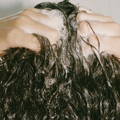
Hygral fatigue is damage to the inside of the hair that happens as a result of getting it wet too often. And it can wreak havoc on your hair if left unchecked. When your hair strands get wet, they absorb the moisture and expand. Then as they dry and release that moisture, strands contract. Repeated expanding and contracting of the hair weakens it, damaging the follicle. Think of hygral fatigue like an elastic band that’s been over-stretched. The way that band eventually loses its elasticity, hygral fatigue causes your damaged hair to lose its.
The Science Behind Hygral Fatigue
To understand the science behind hygral fatigue, we need to take a closer look at a strand of hair. Each is made of three layers; the cuticle is the outer layer of the hair, the cortex is the next layer, and the medulla is the soft innermost layer of the hair follicle. For water to enter strands and cause damage, it needs to make it past the protective cuticle and into the cortex. This weakens the bonds that hold your hair’s proteins together, leaving the hair weak and susceptible to a host of unwanted woes.
Causes of Hygral Fatigue
Hygral fatigue is water damage that happens as a result of strands repeatedly absorbing moisture. Your best chance against it starts with knowing what's causing it. Here are some of the biggest culprits behind hygral fatigue.
Hair type
People with high porosity hair are predisposed to hygral fatigue because their cuticle cells are more distantly spaced making it easier for water to enter the follicle.
Over conditioning
Using deep conditioners or hair masks that are too heavy, using them too often or using them at all puts you at a higher risk of developing hygral fatigue- especially if you already have high porosity hair.
Hair damage
Damaged hair is incredibly vulnerable to more damage because of its highly porous state due its weakened structure. If you use heat or chemicals beware of hygral fatigue.
Lost protective oils
Hair contains an oily substance called 18-metil eicosanoic acid that coats follicles, repelling water. Over-washing and using alkaline products can strip this from the hair leaving it open to hygral fatigue.
pH imbalance
If your hair’s pH is unbalanced, your cuticles will never fully close, allowing excessive moisture in and out. Using a pH shampoo will keep your hair balanced between 4.5 and 5.5.
Recognizing the Signs of Hygral Fatigue
Learning the symptoms of hygral fatigue will help you recognize it in your own hair. Let’s take a closer look at the stress it puts on the hair. The signs of hygral fatigue include the following.
Lack of elasticity
If your hair stretches without bouncing back, or snaps off easily, your strands may be in hygral fatigue.
Lack of shine
If your hair looks matte and lackluster, your signs are likely dehydrated, another sign of hygral fatigue.
Frizz
Hygral fatigue causes the hair’s cuticles to lift, for flyaway strands and a lack of smoothness.
Loss of curl pattern
The number one sign of hygral fatigue curly hair is a loss of curl definition or change in texture
Hygral Fatigue vs Over-Moisturized Hair: What is the Difference?
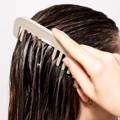
By now you may be wondering what the difference is between hair that’s just over-moisturized and hair in hygral fatigue. Though the terms are sometimes used interchangeably, they refer to different conditions. Hygral fatigue is actual damage to the hair and over-moisturized refers to using too many moisturizing hair products on your strands at once.
How to Treat and Prevent Hygral Fatigue
Wondering how to fix hygral fatigue once you’ve confirmed it? Below are the steps to take to save your strands from damage. Note that each hygral fatigue treatment below should also be practiced as part of a damage-preventative hair care routine.
Balance moisture
Maintain an ideal moisture level by using hair type specific products and low pH shampoos.
Add protein
Counteract too much moisture with a protein treatment to fill any gaps in the cuticle from hygral fatigue
Avoid other sources of hair damage
Be gentle with your hair and avoid heat, chemicals, tight hairstyles and aggressive styling that can cause damage to your strands.
Condition less
Use a lightweight conditioner after every few washes and use moisturizing products like leave-ins and hair masks sparingly.
Cut out damage
If your hair is damaged beyond repair from hygral fatigue it’s best to cut off damaged ends to prevent further breakage.
Davines' Solutions: The Key To Healthier Hair
The best hair products for treating and preventing hygral fatigue focus on adding protein to strengthen the hair and help balance moisture. Look for products with ingredients like keratin, rice protein, or amino acids and use a clarifying shampoo to thoroughly cleanse the scalp before applying treatments. Choose formulas made from high-quality natural ingredients like the ones from Davines. Our damage correcting and anti-breakage products help to restore your hair's true texture, while giving it the nourishment, softness and shine it deserves.

Treat Yourself
Visit your local Davines Salon for personalized care for your unique hair type and needs.
You Might Also Like...


by Jaclyn LaBadia, featured contributor
Daily wash dilemma: should you shampoo every day? Washing your hair and scalp is as important as washing the rest...
by Jaclyn LaBadia, featured contributor
Your Guide to Overnight Hair and Scalp Serums and Their Benefits Learn how these formulas can support your nightly hair...
by Jaclyn LaBadia, featured contributor
Bronde Hair: The Best of Blonde and Brunette in One Colour Bronde hair blends blonde and brunette for a sunlit,...
Leave a comment
Comments will be approved before showing up.